
Government Architecture
Government projects are built upon architectural systems which deliver public services, provide efficient operation, promote safety and ensure long-term usability. At CNA Architects, we have completed many Government Architectural Projects such as offices for government departments, police infrastructures, staff housing and institutional buildings in Maharashtra. We have extensive experience designing Government Building Architecture (residential, administrative) for Police Quarters, Administrative Facilities, Residential Development for Public Sector Employees. All government buildings are developed to be user-friendly, accessible for public use, manage traffic/circulation, meet all safety standards and functionally support the day-to-day operations of the department they serve. The design should also provide an efficient solution that will last for decades.
Government Architecture Projects Designed for Public Use
Government Architecture projects involve daily use of Government facilities by both public and staff. Therefore, it is crucial that each project be designed in a manner which will accommodate efficient user flow, safe & secure access, along with long term usability.
In order to create successful Public Building Design Architects should consider the following:
- Visitor circulation/access
- Staff movement & work-flow efficiencies
- Administrative processes
- Design accessibility for all users
- Safe & secure use of buildings
- Long term maintenance needs of the building
- Delivery of services to the public
- Most efficient utilization of available space
Regardless of whether you're designing a government building, police facility, housing development or an administrative office; there is always a need to achieve the right balance of providing a convenient experience for the public while meeting the operational needs of those who operate the building.
Public Sector Building Design Experience
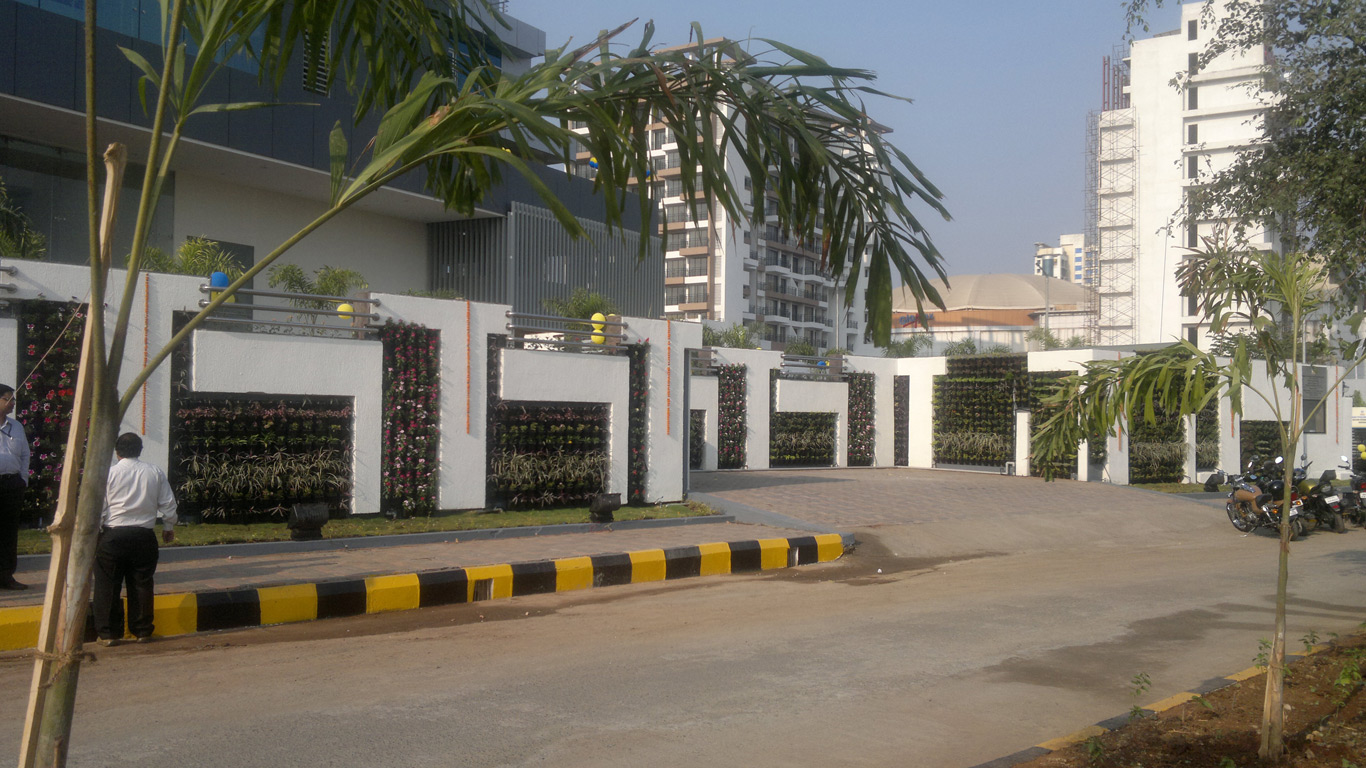
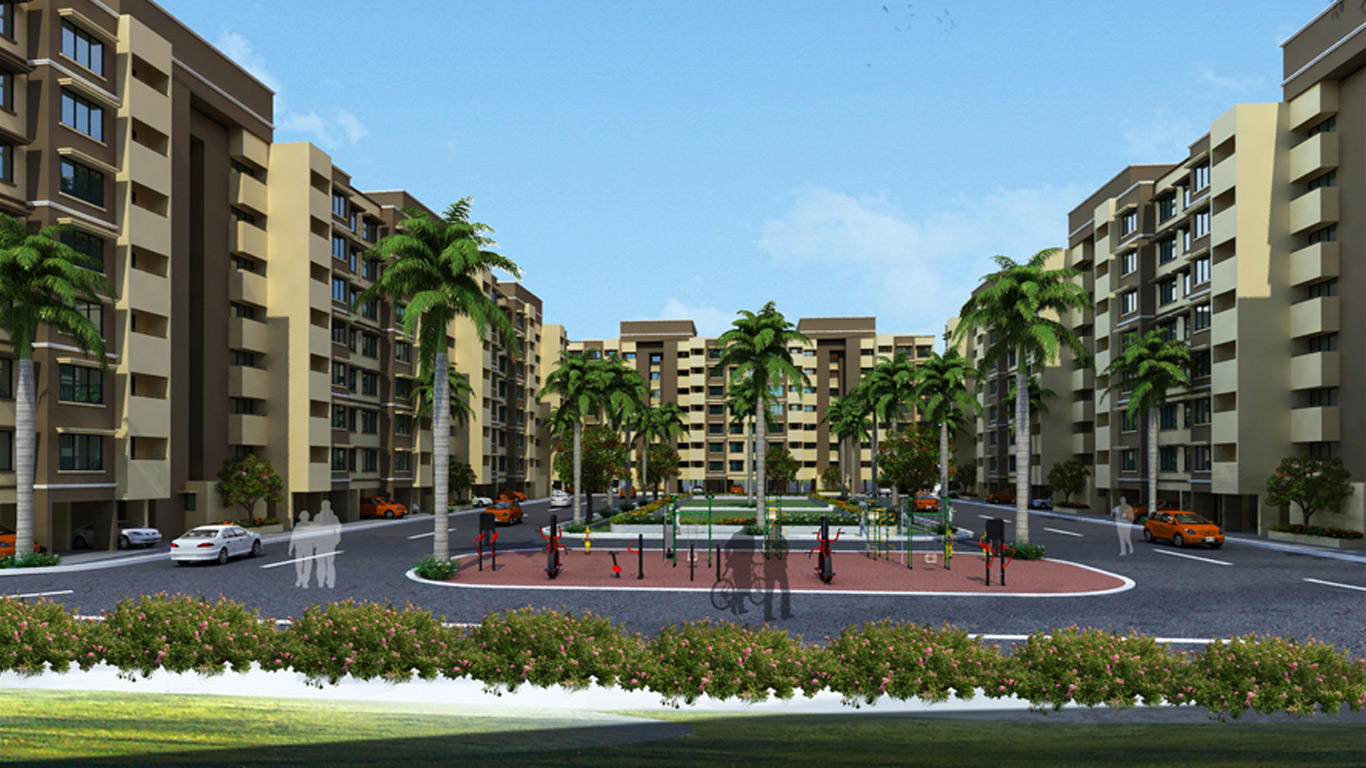
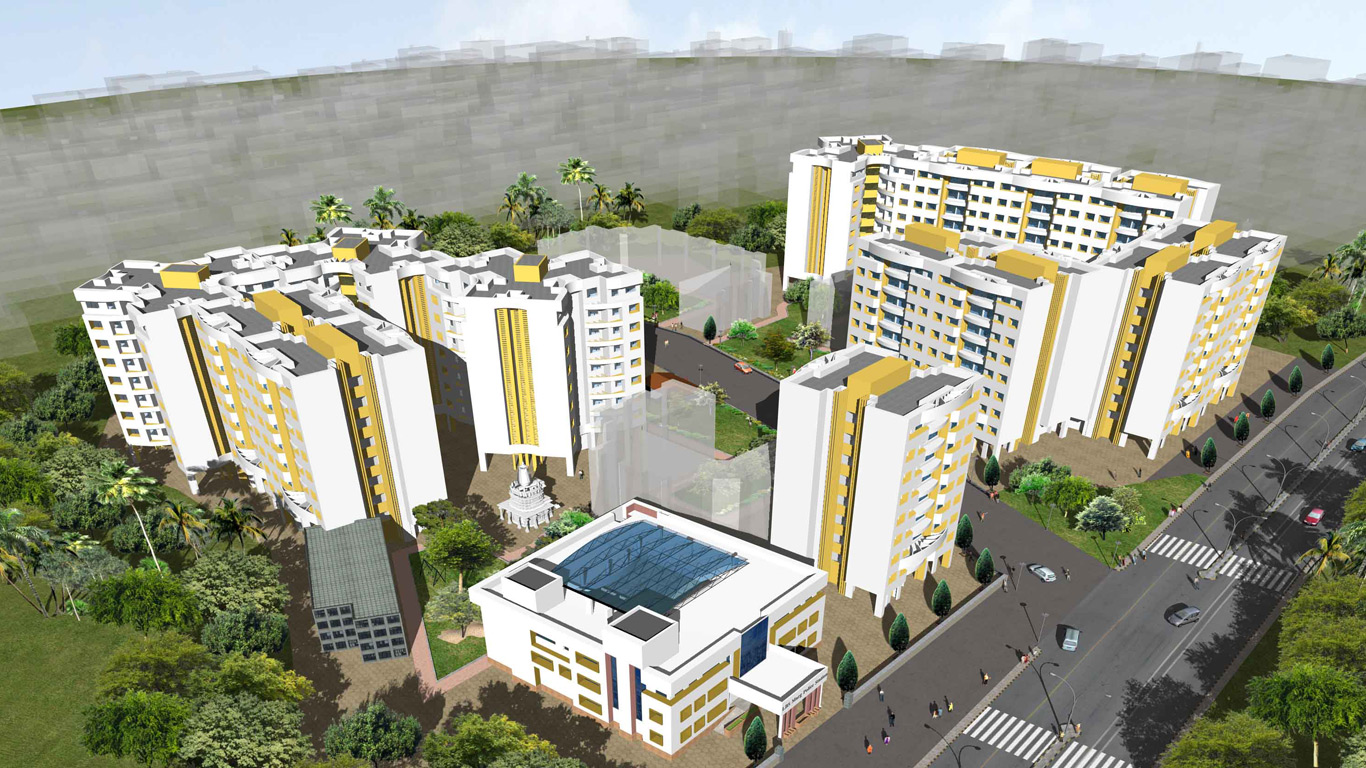
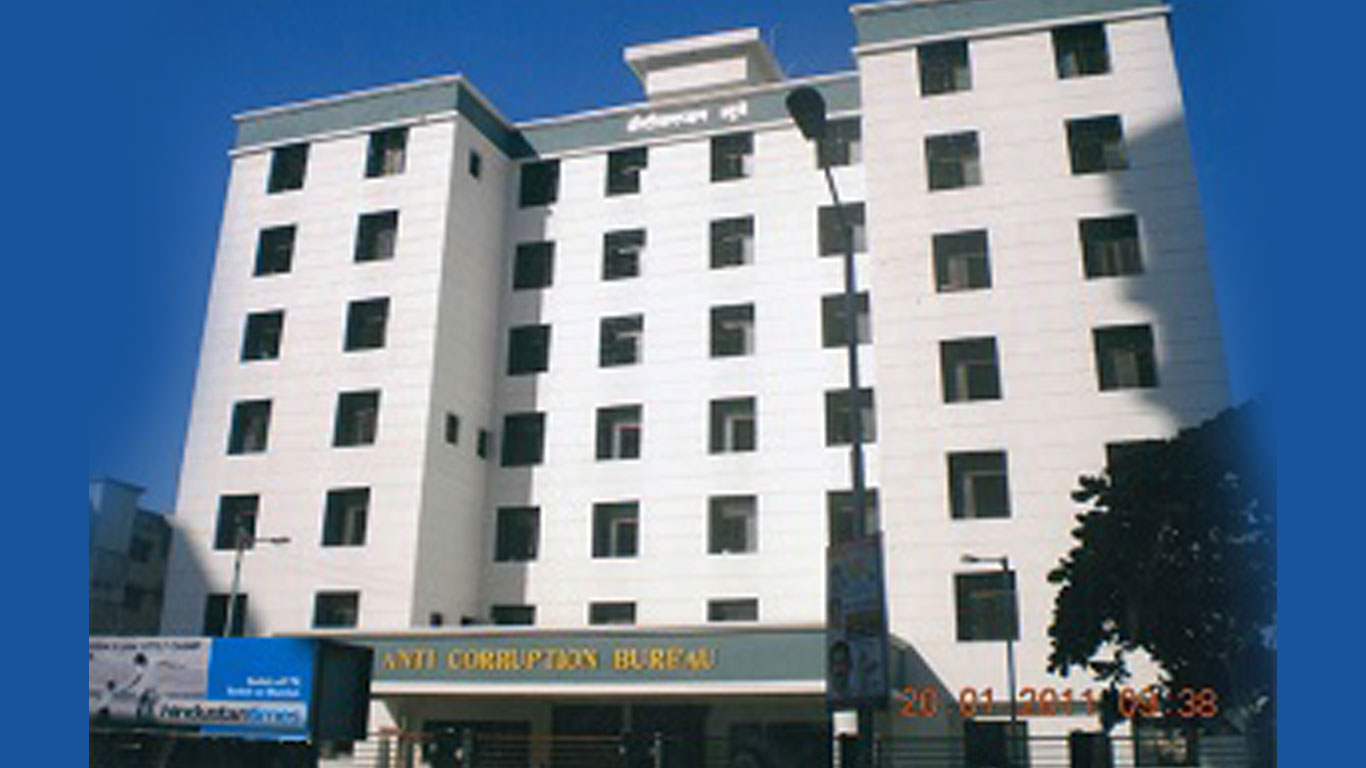
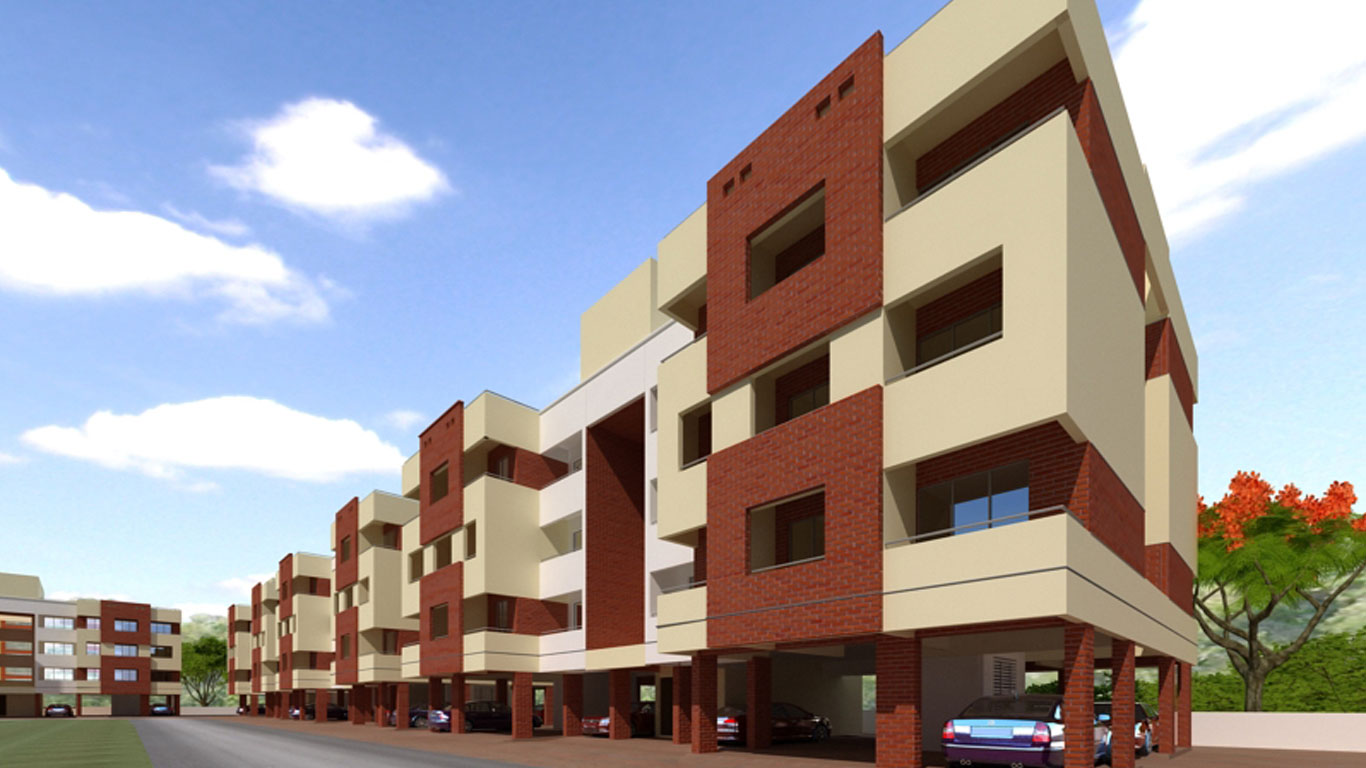
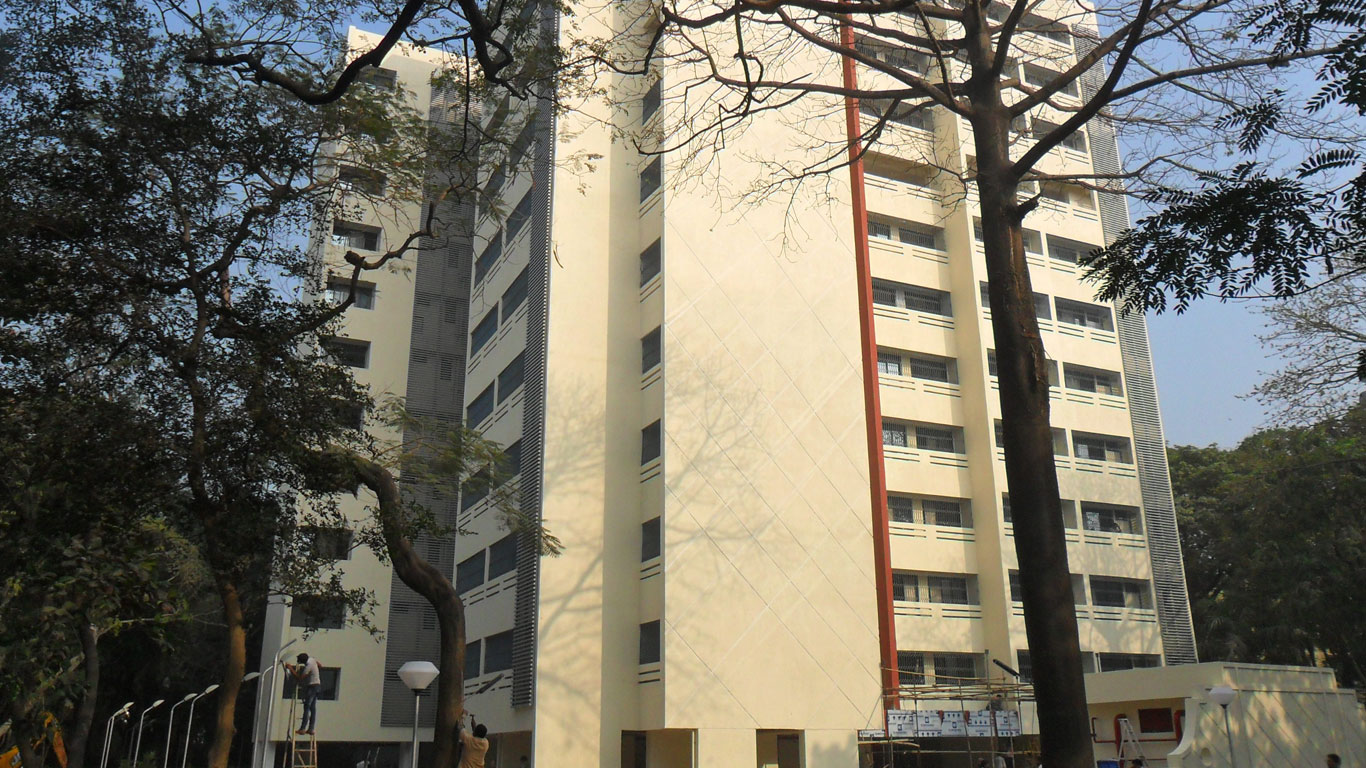
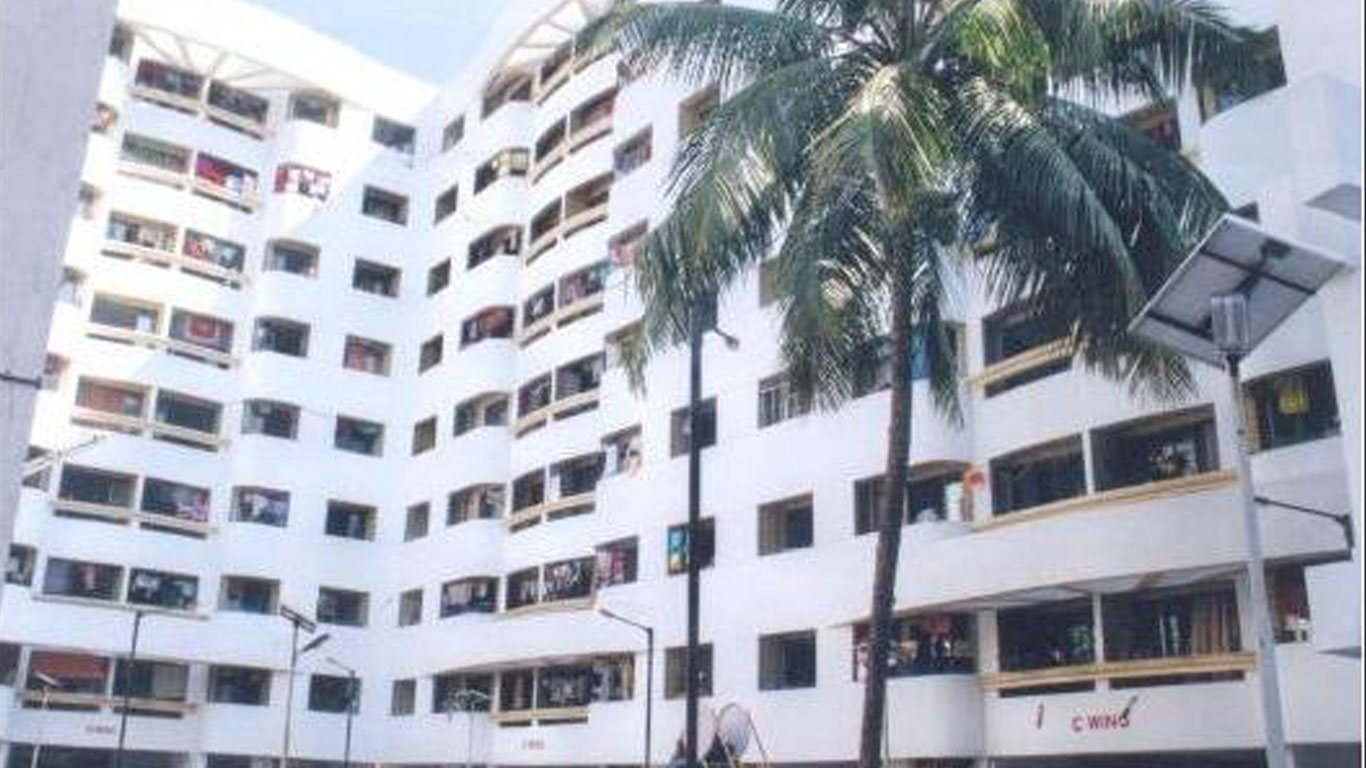
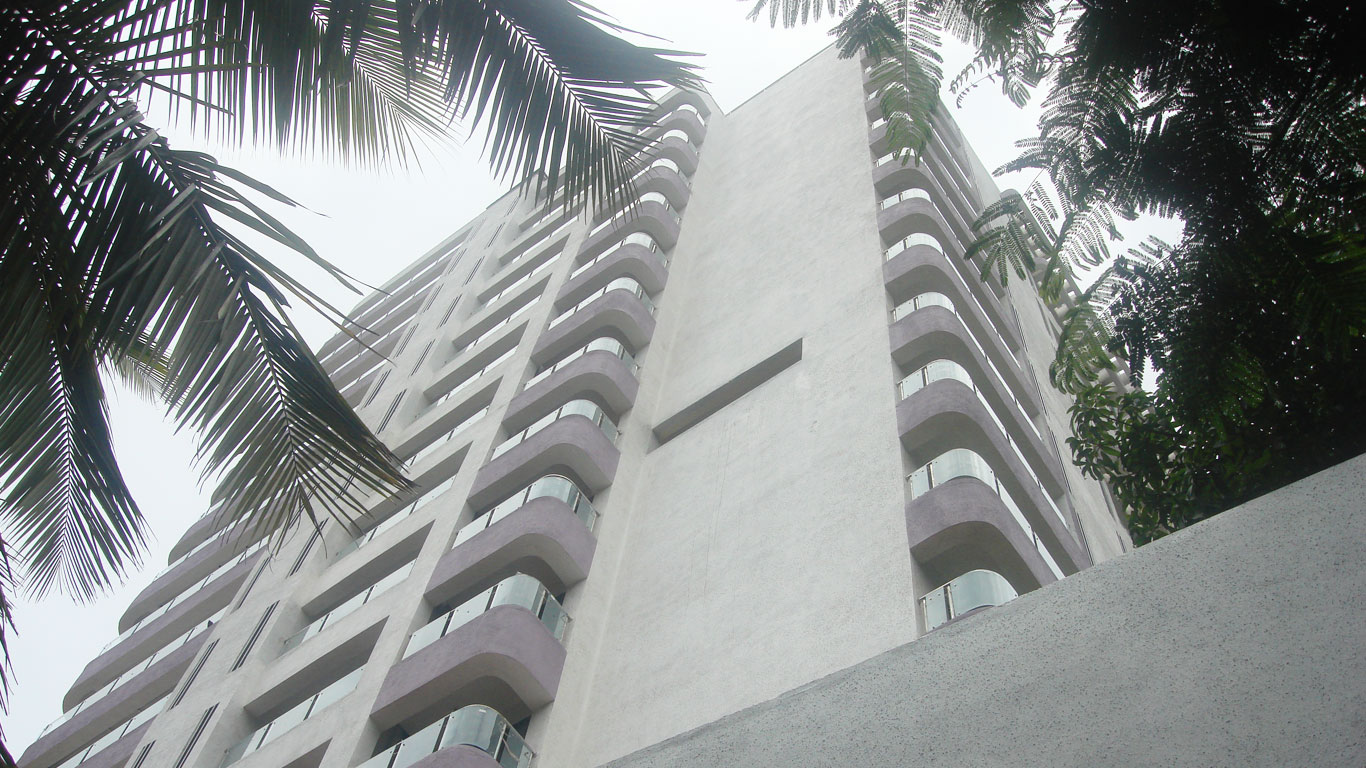
CNA Architects has a portfolio of many different projects which have demonstrated our experience in public infrastructure, housing and institutional planning. These project examples show how we can provide good solutions for designing buildings on behalf of the public sector at various scales and purposes.
Some of these are:
- BPCL Kharghar
- 448 Police Quarters
- Police Stations (X 4)
- Anticorruption Bureau
- Alibag Police Quarters
- BPCL Staff Quarters Chembur
- Ghatkopar 261 Quarters
- Malabar Hills PHC Police Quarters
Each of the above mentioned is an example of a type of planning consideration which would be common when considering police quarters as an architectural typology. In addition they represent our experience in the area of police stations and public sector housing; both types of projects require that a designer consider the needs of users, including those related to function, maintenance, and durability, throughout the design process.
Government Building Architecture with Functional Planning
Good effective architecture for Government Buildings requires solid planning and good zoning. Most government buildings house many different types of users so it is very important to organize the space and create paths of travel (circulation).
The key elements that need to be considered when planning government buildings are as follows;
- Public and restricted areas must be separated
- Staff needs must be met in separate or dedicated areas
- Work spaces must be provided for administrative staff
- Zones will have to be designated for service and utilities
- Adequate clear paths of travel must be maintained throughout the building
- The building must be designed to meet barrier free access requirements
- Prior planning for safety and security should take place
- Maintenance and management of the facility must also be considered during design
Good design of a government building will provide an efficient working environment for the employees of the building as well as a productive visitor experience.
Our Approach to Government Building Design
Government buildings designed by CNA Architects are created to be functional for years to come. Every facility has its own needs and as such affects how each building will be planned during the initial phases of the designing process.
CNA Architects' approach to creating functional and sustainable government facilities involves:
- Public circulation planning
- Staff circulation management
- Functional zoning strategies
- Accessibility-focused layouts
- Safety-conscious design solutions
- Space-efficient planning
- Context-sensitive architectural responses
- Durable and maintenance-friendly design
- Long-term usability considerations
As government architects in Mumbai we create and deliver functional and purposeful architectural designs for governmental buildings that support the operations of the various departments of local government as well as adhere to the principles of effective and sustainable architectural design for governmental buildings.
Types of Government Architecture Projects
The scope of services provided by CNA Architects and the types of projects within our portfolio are wide-ranging and reflect the many different categories of projects found within the government and public sectors.
These include:
- Police stations
- Police quarters
- Public sector housing developments
- Staff quarters
- Administrative buildings
- Government offices
- Civic service facilities
- Institutional government facilities
Because of our extensive experience working on a variety of project types listed above, we are frequently involved in providing architectural services for government building projects located in both Mumbai and other geographic areas requiring large-scale public infrastructure development, including carefully planned, functional and long-lasting value. Each governmental building is developed with consideration given to operational needs, but also supports the overall goals of sustainable architectural design for public buildings.
Why Choose CNA Architects for Government Architecture Projects
A government building requires a design team that is aware of its function, operational needs, and long-term performance. CNA Architects has considerable project experience related to this type of project. As such, our portfolio reflects the wide range of Police Infrastructure (e.g., police stations), Staff Housing (e.g., barracks for police officers), Institutional Facilities (e.g., training centres) and Public Sector Developments across Mumbai and Maharashtra.
Reasons clients work with CNA Architects include:
- Experience across diverse public-sector projects
- Strong understanding of public infrastructure planning
- Project-specific design solutions
- Practical and functional planning approach
- Focus on accessibility and circulation
- Long-term usability considerations
- Understanding of regional project requirements
- Experience delivering Government Architecture Projects within varied public-sector contexts
CNA Architects' Portfolio Driven Process allows us to create Government Building Architecture solutions tailored to meet the unique operational needs of each individual project.
Frequently Asked Questions
What are government architecture projects?
Government architecture projects include buildings and facilities developed for public-sector use, such as government offices, police stations, staff housing, administrative facilities, and civic service buildings.
What is government building architecture?
Government building architecture refers to the planning and design of facilities used by government departments and public-sector organizations. It focuses on functionality, accessibility, safety, and long-term operational efficiency.
What types of government projects does CNA Architects work on?
CNA Architects has experience with police quarters, police stations, staff housing, administrative facilities, public-sector residential projects, and institutional government infrastructure.
Why is planning important in government architecture?
Planning helps ensure efficient circulation, operational functionality, public accessibility, safety, security, and effective use of available space throughout the life of the building.
How is government building architecture different from commercial architecture?
Government buildings are often designed around public access, administrative functions, security requirements, and long-term public service needs, whereas commercial buildings are typically focused on business operations and revenue-generating activities.
Does CNA Architects work on government architecture projects in Mumbai?
Yes. CNA Architects has experience associated with multiple government and public-sector projects in Mumbai and Maharashtra, including police housing, staff quarters, and administrative facilities.
What factors should be considered while designing a government building?
Important considerations include accessibility, safety, security, circulation planning, functional zoning, operational efficiency, maintenance requirements, durability, and long-term usability.
Our Clients